METTE METTE Home
Improving Educational Outcomes in Manufacturing Engineering Technologist and Technician Education

Welcome to the METTE Project

The METTE project is funded by a four-year grant with generous support from the Advanced Technological Education (ATE) program of the National Science Foundation to improve the education of manufacturing technologists and technicians for the high-technology fields that drive our nation's economy

Project Participants

METTE participating technical college staff and METTE Friends/Community members with a valid user name and password can login to Workspace to access relevant files and information about the project in our secure, collaborative environment.

Project Goals

The METTE project seeks to improve student success in two-year college programs that prepare postsecondary students to enter employment in manufacturing as engineering technicians or transfer to baccalaureate programs in fields related to manufacturing.

Why focus on Manufacturing Engineering Technologist and Technician Education (METTE)?

The decline in the number of U.S. college graduates with degrees in METTE-related fields is an issue of national importance. Recent critical shortages of skilled workers and production technicians have been well documented. Moreover, despite current economic conditions, the demand for a science-, technology-, and engineering-oriented workforce continues to grow at a rapid rate. The U.S. Bureau of Labor Statistics, for instance, has predicted that the overall employment demand for engineers and engineering technicians will grow by more than 16% through 2018, nearly double the projected overall workforce growth of 10 %.

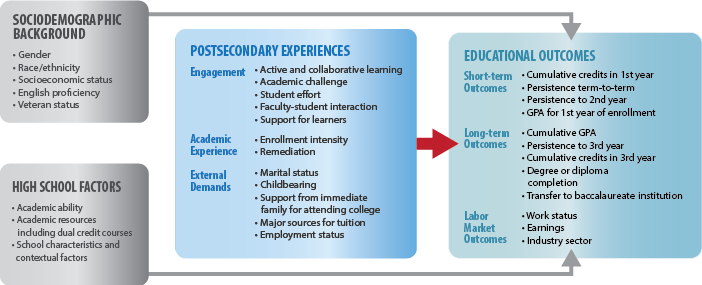
Middle-level technical careers requiring associate degrees and industry certificates will represent nearly one quarter of the projected workforce demand in engineering and technical occupations. In addressing national concerns about METTE pipelines, much of the effort will rely on the nation’s 1,173 community and technical colleges, which enroll 43% of all postsecondary students and play a major role in building the METTE workforce and widening access to and success in college settings for youth and returning adults. Improving our understanding of the factors that impede or support successful completion of METTE programs in the two-year college setting is critical both to program improvement and to addressing the nation’s need for a more highly skilled manufacturing workforce.

The role of Wisconsin’s Technical Colleges in METTE

In Wisconsin, the 16 colleges of the Wisconsin Technical College System deliver hands-on learning for specific, high-skilled occupations, including those in manufacturing, in demand in communities across the state. A longitudinal database drawn primarily from WTCS enrollment data will provide much of the data to be analyzed by METTE staff. In addition, participation by four partner technical colleges will provide the METTE project with a laboratory for research on the factors that influence student success and strategies for program improvement. Learn more about Wisconsin’s technical colleges.

METTE Programs in the Wisconsin

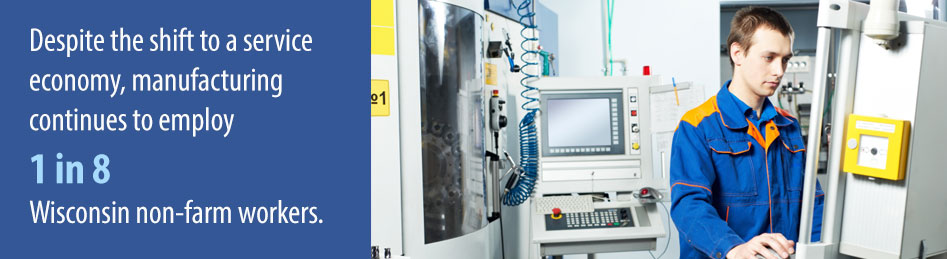
As with all of Wisconsin’s technical college postsecondary programs, WTCS associate degree and diploma programs for manufacturing engineering technologist and technicians are designed to prepare students for occupations in demand in local, regional, and statewide labor markets. The specific mix of programs offered differs by college and evolves over time to reflect the changing needs of employers. The four colleges participating in the METTE project currently offer 35 of Wisconsin’s METTE 54 associate degree and technical diploma programs. Annually, METTE programs at these four colleges serve more than 3,000 students or about 40% of METTE program enrollees in Wisconsin’s technical colleges. View a list of METTE programs currently offered by the WTCS and at the four partner colleges.

This material is based upon work supported by a grant from the National Science Foundation (Award no. 1104226). Disclaimer